
Out to the Fields!
We’ll be working hard — and printing. Arguing, too. Engaging with each other and pulling apart. Different in different ways. Equal as equals.
SPEICHER_Leute e.V. invites you to head out into the countryside for a print festival from September 6th to 13th.
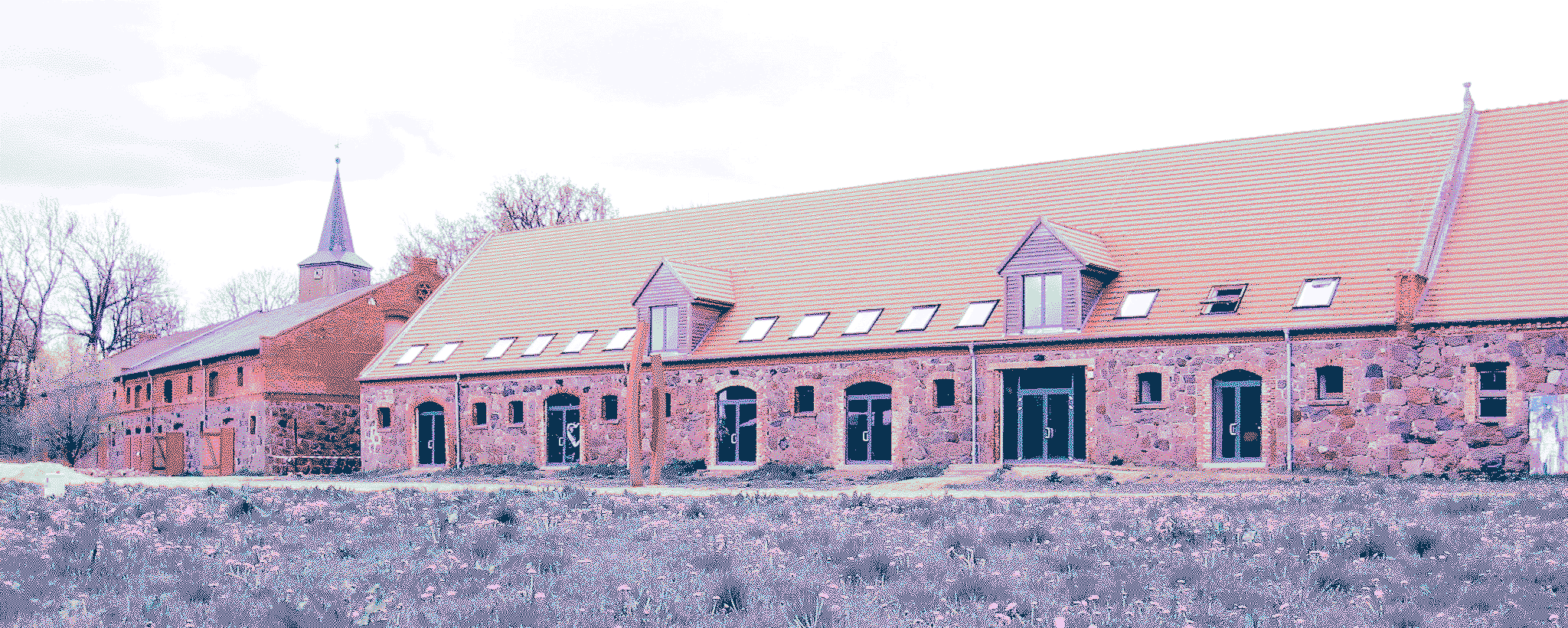
Schloss Bröllin in Fahrenwalde, in the district of Vorpommern-Greifswald, offers plenty of space across its expansive grounds. It used to be a manor estate. The fieldstone architecture is solid and resilient. A place where we can shape disagreement. For without consensus, the space for solutions is larger. We take the liberty of having uncomfortable conversations. We then make the con-fusion (“VerWIRung”) visible through printing techniques..
Ideally, you apply with a workshop idea that relates to the festival theme. Applications without a workshop idea are also possible. For an introduction to the topic, we have collected some links.
This year, our selection criteria are:
~
to ensure a good mix, we actively increase the proportion of boys
~
to create an engaging program, we select from the submitted workshop ideas
~
due to funding requirements, we include many participants from Mecklenburg-Vorpommern
~
we aim for a good mix of familiar and new faces
Please submit applications by Monday, June 1, 11:55 AM.
Applications: 10
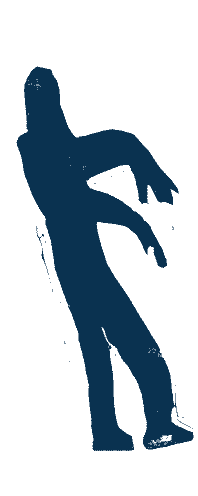
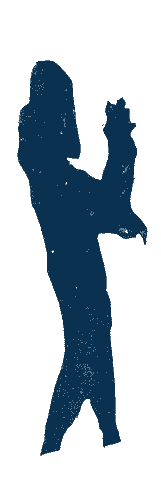
How does cross-pollination work?
Participants are workshop leaders, and workshop leaders are participants. Mornings are dedicated to printing workshops, followed by open practice in the afternoons to apply newly acquired or shared knowledge. Suggestions for print workshops can be sent via email to:
svea@feste-drucken.de
Location of the Project
Project location: Schloss Bröllin, Bröllin 3, 17309 Fahrenwalde
Workshop Ideas
Leave Your Mark
Once all is said and done, this workshop gets physical. We'll go at each other with boxing gloves and paint. Not necessarily gently, but with trust, we'll leave marks on our opponents. Please bring light-colored, plain clothing. Those who are shy or haven't had enough can also try their hand at wall-boxing. ( Christine Hassinger)
~~~~~~~~~
Stencil Printing
Stencil printing is a simple printing technique that requires little. I use a craft knife with foil, a foam roller, and acrylic or fabric paint. You can also spray paint, create stencils on a computer (plotter?), use stencils for screen printing or gel printing... Everyone can use their own style on paper, fabric, or wood. The toil and arguments, such as differing viewpoints, can be abstracted and printed endlessly in forms. Together, separately, on top of each other, individually. Wildly, orderly, in rows, as stripes, dots, shapes, paper cutouts, elements... Motifs from Bröllin Castle (tile patterns, stone formats, ornaments) ( Kristina Eberler)
~~~~~~~~~
Getting to Know Each Other
We'll discuss current topics that interest us, spontaneously developing motifs that will overlap during the printing process on large paper formats. Various experimental relief printing techniques will inspire the development of individual print forms. It's an experiment—in terms of content and form—where many small and large motifs compete together. Who will dominate? Who will hold back yet be convincing? Will all perspectives be visible? Who will overshadow the others? Will it be a battle for positions and dominance, or will the content, motifs, and color fields harmonize in the overall effect? What will we, as a group, allow? Is it about expressing feelings, opinions, or arguments? How will all participants find their place in the group process and on shared formats, or will some seek their own space, their own formats, and present them as a counterpoint? Will small subgroups form? The process is open. You decide how long you want to participate. I'll provide you with impulses for the printing process and support you during the printing. The rest is open. It's an opportunity to get to know each other. ( Rita Lass)
~~~~~~~~~
chains of reactions
Throughout the festival, we want to create chains of reactions. To do this, we'll start by collecting fragments (e.g., newspaper clippings, overheard words, found objects, drawings, misprints) and hanging them on a wall. Throughout the festival, everyone can then pick up a fragment and create a new one in response: What comes to mind when you think of the fragment? What happens next? What's missing? We'll have DIN A6 cards available for gluing, drawing, writing, printing (or whatever else you can think of) on. Someone else will then react to your newly created fragments, creating chains of images and text that grow longer and longer on the wall. These chains become a collaborative artwork and, at the same time, a form of communication that happens subtly and naturally. ( Luise Hesse)
~~~~~~~~~
How does the festival work?
Where to sleep
All participants stay on the grounds of the estate, either in shared rooms or at the campsite in their own tents.
Where to eat
Printers cook for printers — affordable and self-organized by participants in the estate kitchen.
What to pay
€250 for 8 days of the festival / €175 for pupils, students, and unemployed participants.
Getting there
By train: The nearest station is Pasewalk. From there, Schloss Bröllin can be reached by taxi or bicycle in about 15 minutes.
By car: Schloss Bröllin is located near the B104 between Pasewalk and Löcknitz. Parking is available on site.
By bicycle: The region is well connected by cycling routes. Schloss Bröllin is easily reachable by bike, especially from Pasewalk.
Printing Perceived 2025
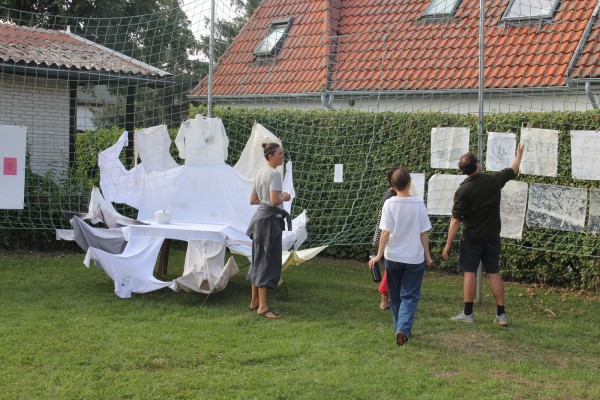
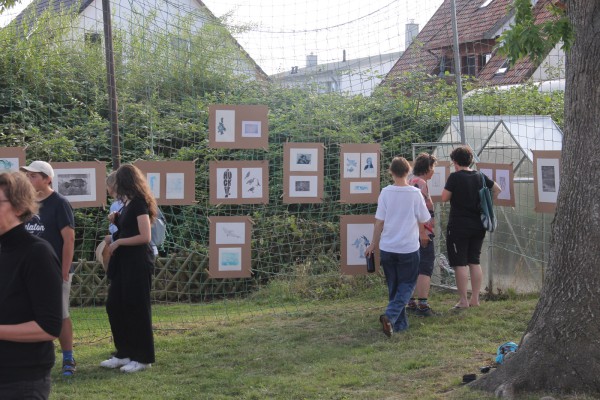
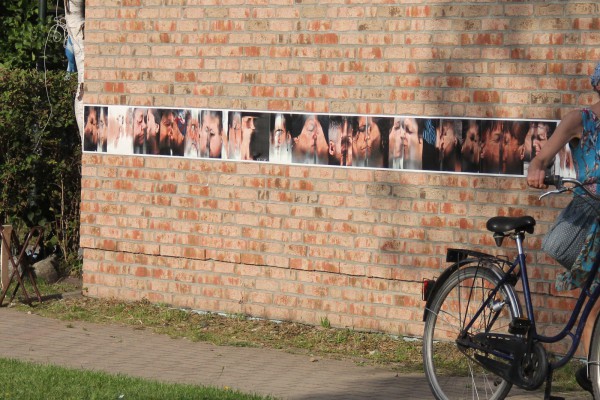
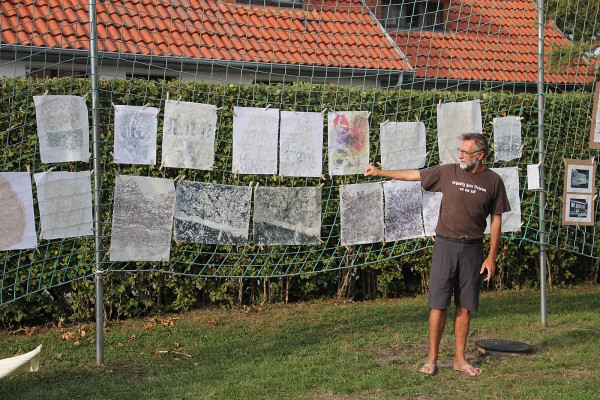
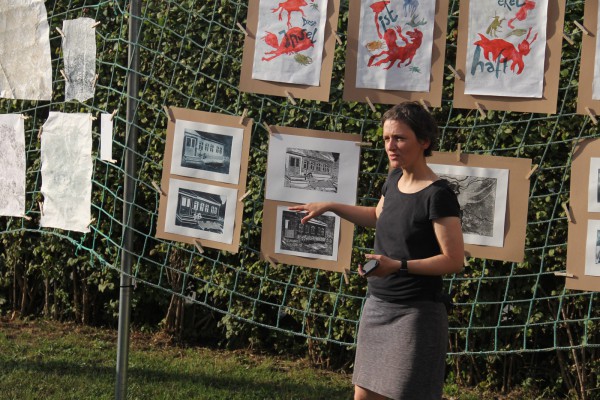
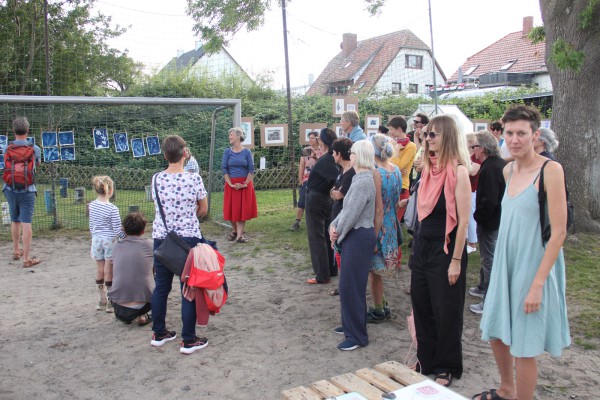
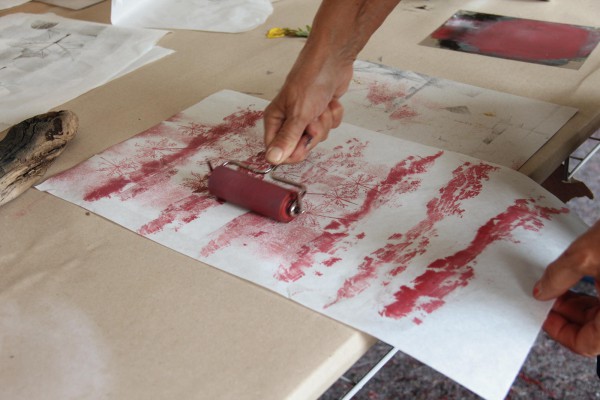
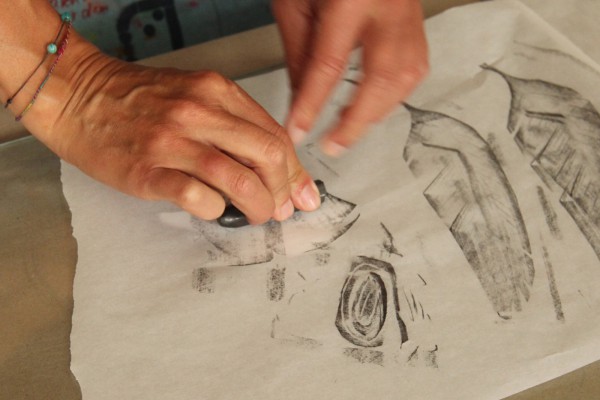
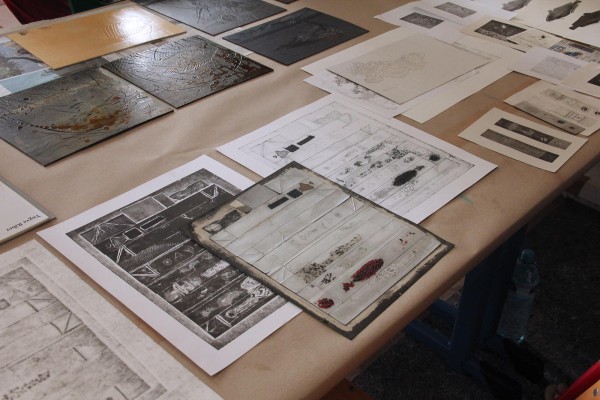
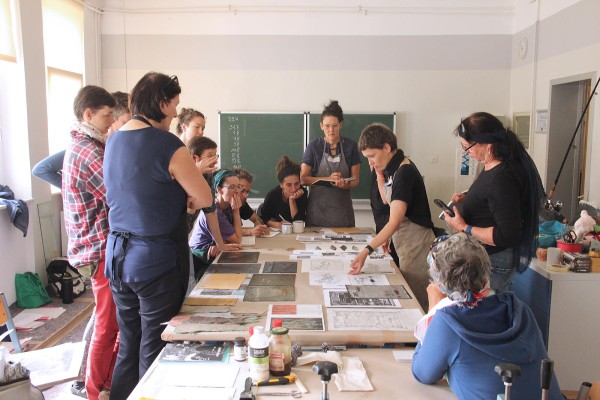
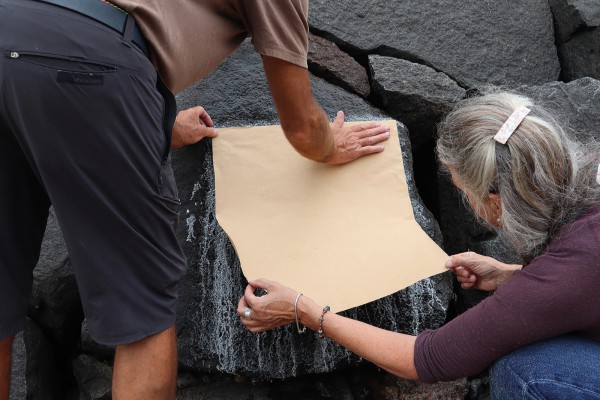
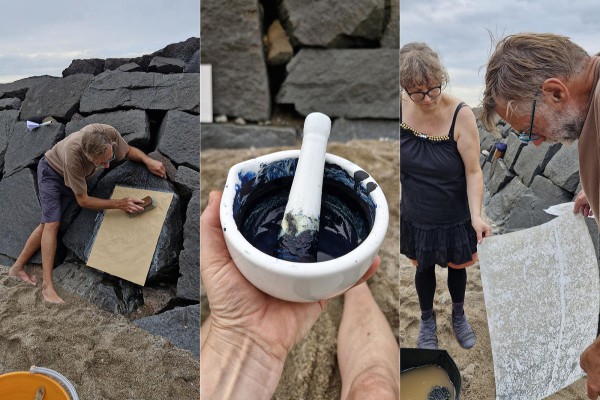
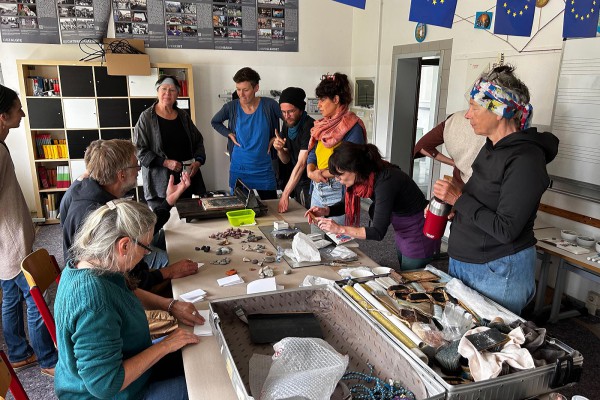
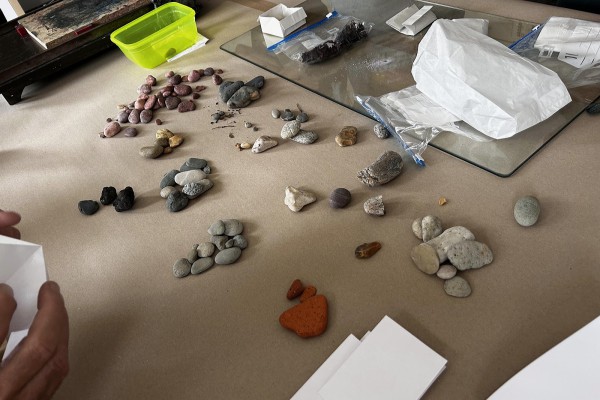
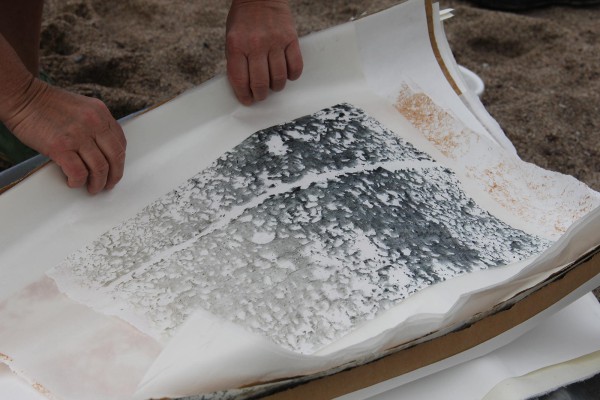
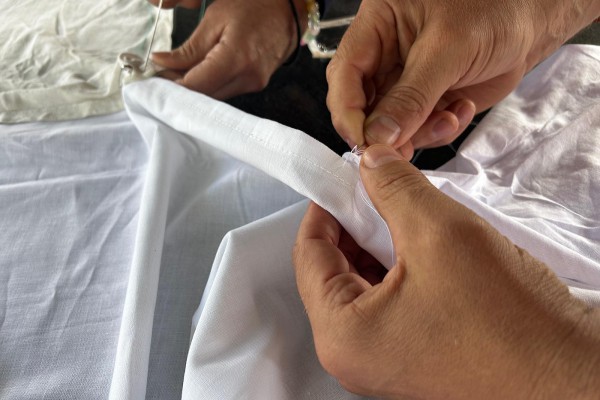
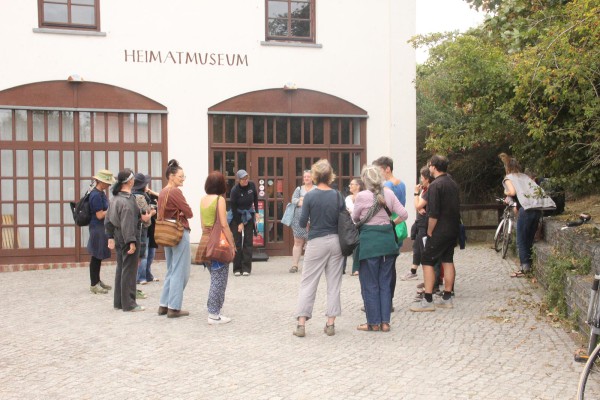
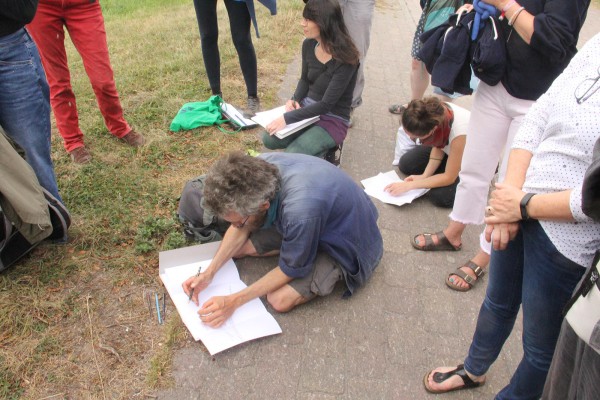
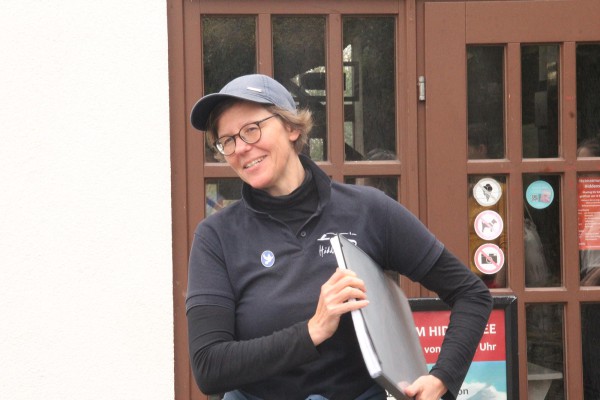
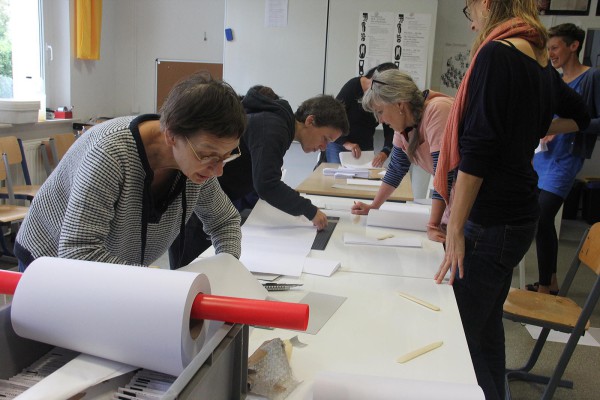
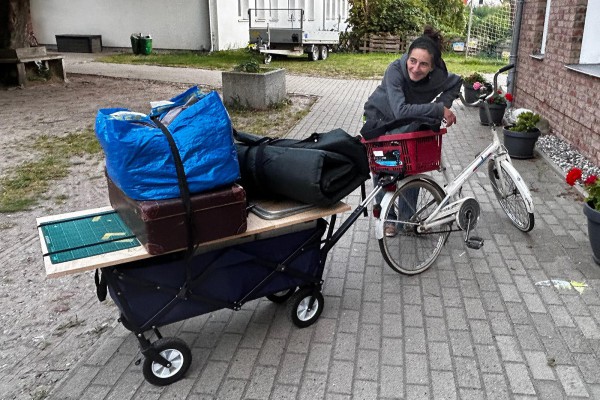
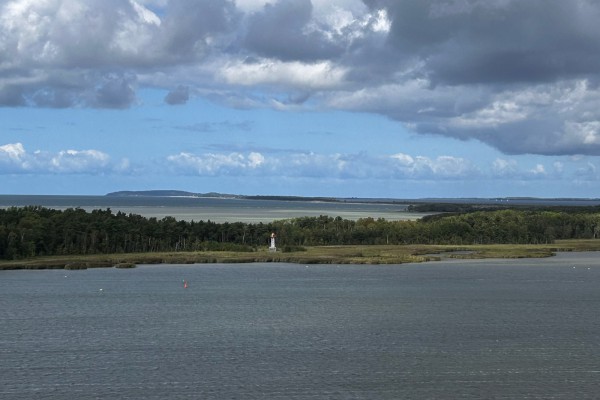
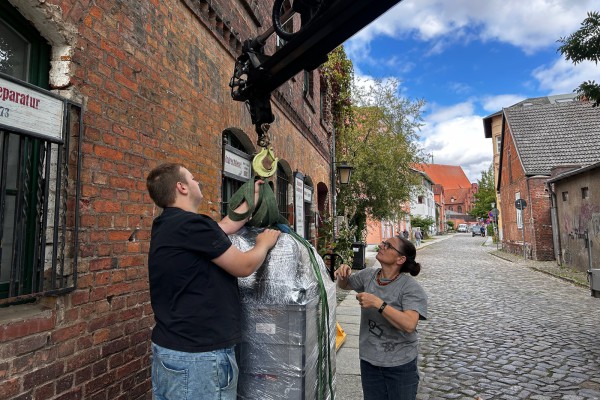
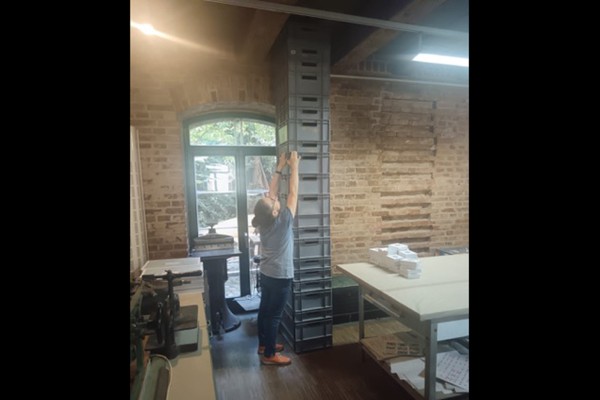
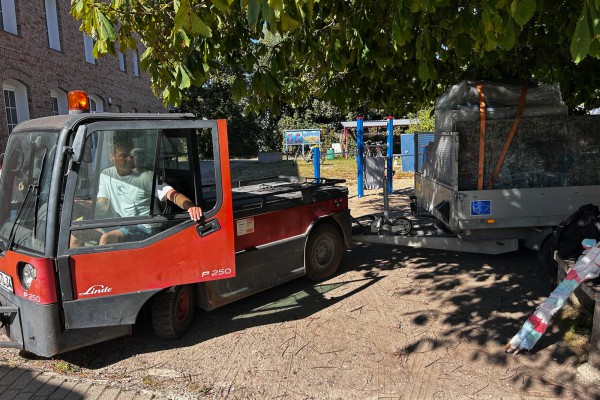
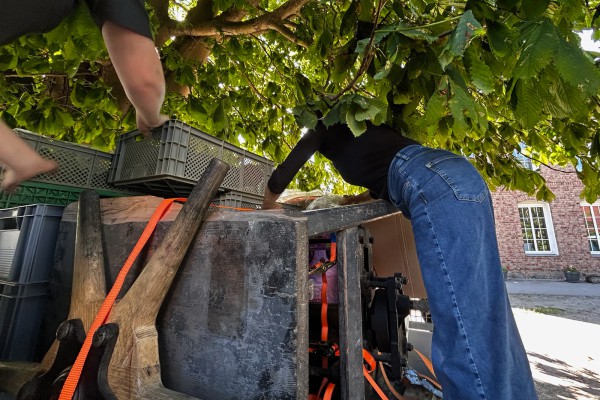
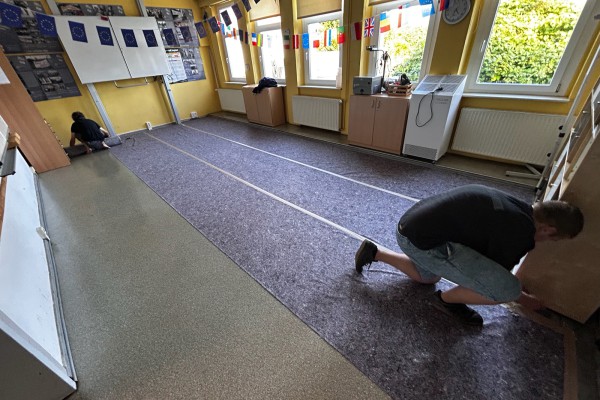
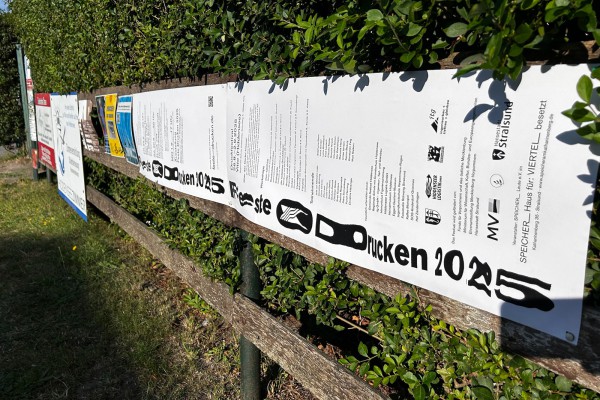
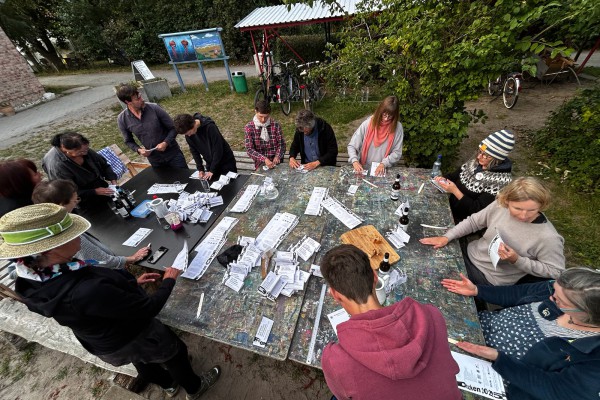
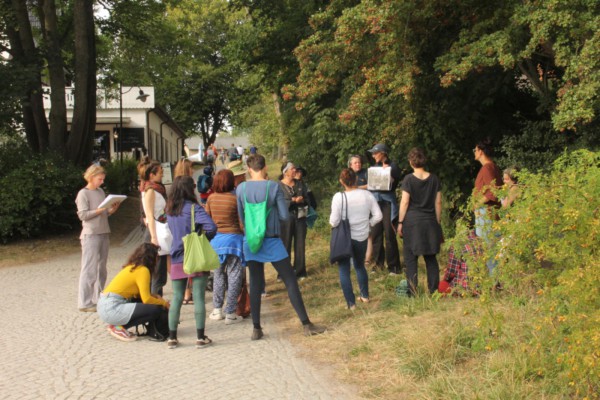
Pictures from the festival on Hiddensee
Waves to Ride
~
Maja Göpel on her book: "Values. A Compass for the Future."
~
How dangerous is the crisis of trust in our society? With Aladin El-Mafaalani
~
Svenja Flasspöhler on her book "Streiten"
~
Sponsors & Partners


Archive
Festival 2025 | Festival 2024 | Festival 2023 | Festival 2022 | Festival 2018 | Festival 2017 | Festival 2016 | Festival 2015 |
Festival 2014